
A study visit to Murcia demonstrated that student cooperatives can operate effectively, meet the needs of both the school and the students, and remain relevant. We have now completed the final trainer training session as part of the Better Cooperate project, implemented under the Erasmus+ programme
Co-operatives in Murcia are both a social concept and a practical economic tool. In a region less than half the size of Greater Poland, there are around 2,000 different co-operatives employing nearly 30,000 people and generating up to 10% of the region’s GDP. The vast majority of these are agricultural co-operatives – the region is famous for its agriculture and is rightly called the “garden of Europe” – but alongside them there are also housing, service and educational co-operatives.
It was the latter that attracted particular interest from the participants of the trainer training and study visit: trainers, teachers, youth workers, as well as young co-operative members themselves.
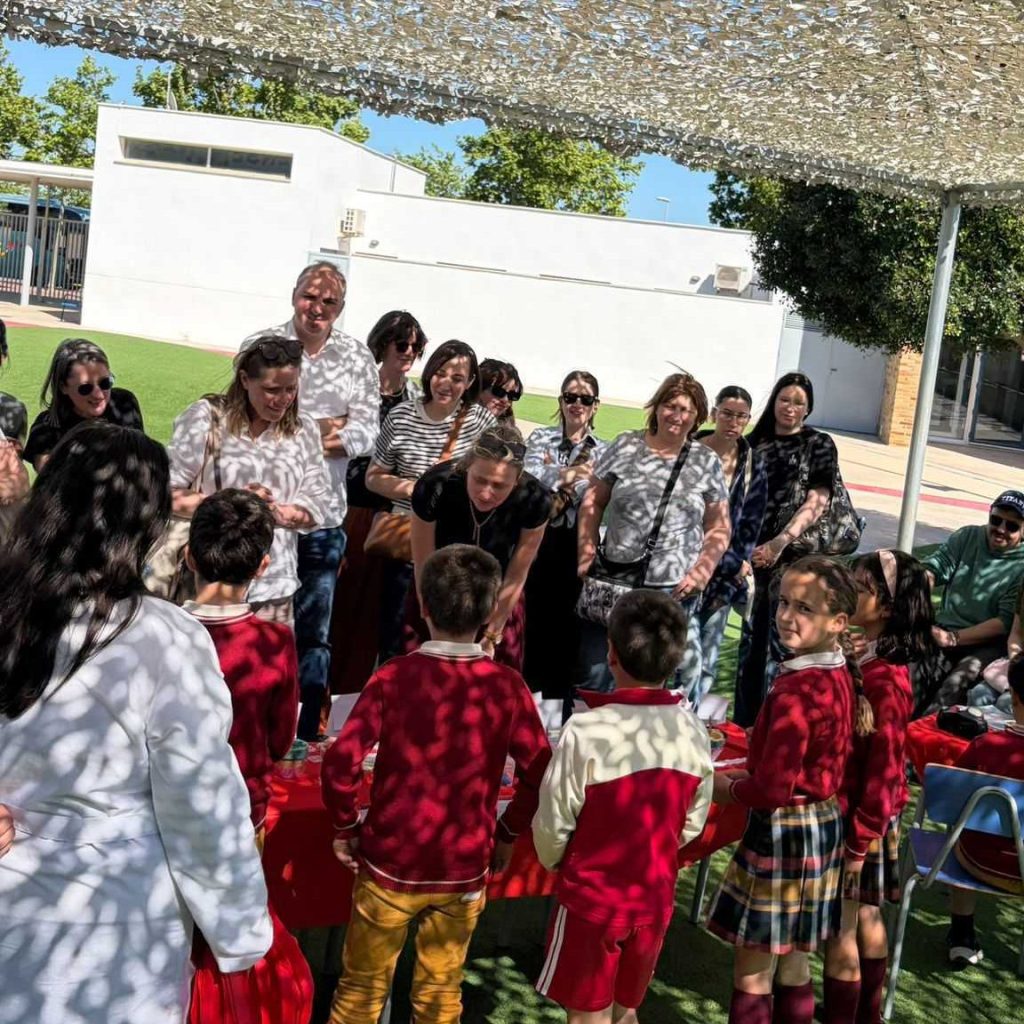
Cooperative schools
Educational co-operatives in Murcia form a niche but stable segment of the regional education system, with several dozen operating across the area. Their model is based on close cooperation between teachers and parents and offers a more participatory and flexible approach to running a school than traditional institutions. Teachers act not only as educators but also as co‑owners of the school.
Staff at Centro Educativo Dos Olivos, CES Vega Media, Cooperativa de Enseñanza Virgen del Pasico and other institutions we visited explained how cooperative values can be put into practice in schools, what benefits this brings—such as greater motivation and commitment from all stakeholders—and what challenges must be addressed. As in educational institutions elsewhere in the world, financial sustainability remains the primary concern.
Student cooperatives
However, the perspectives of the young co‑operative members were particularly important. There was no shortage of opportunities to meet them – at every school, representatives of student co‑operatives were waiting for us, ready to talk about the initiatives they were running.
They spoke openly about the benefits of being part of a co‑operative (teamwork, putting their own ideas into practice, having fun), their concerns (for example: Am I investing my money wisely when I contribute to the co‑operative?), and the occasional downsides (such as cleaning or washing up).
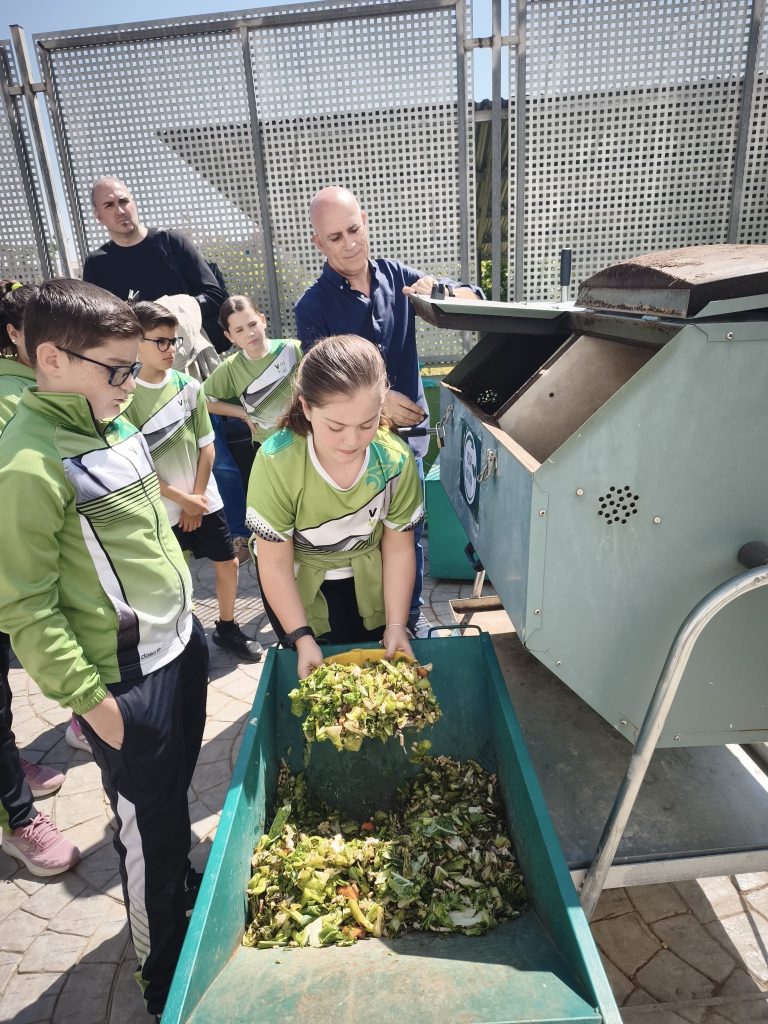
Student co-operatives in Murcia tend to operate slightly differently from those in other EU countries, including Poland. Each school year, several – or even a dozen or more – co-operatives are established within a single school, working in different areas and pursuing diverse objectives.
The highlight of their activities is participation in the annual Regional Student Co‑operative Fair, organised by the hosts of our visit, UCOERM, in collaboration with the regional authorities. At the end of the school year, these co‑operatives wind up their activities, only to start again – this time with new ideas. In this sense, the model resembles an educational project carried out cyclically and based on a recurring structure.
At the same time, some schools prioritise continuity, and there student co‑operatives function as permanent organisations. In such cases, they face challenges familiar in Poland as well: unclear legal status and the lack of practical financial solutions, such as obtaining a tax identification number or the ability to carry out cashless transactions.
Summary
We are addressing these and other challenges hindering the development of student co‑operatives as part of the Better Cooperate project. Work is nearing completion on a package of educational tools in the field of social entrepreneurship. We are also developing the Student Co‑operative Model – a guide designed to explain, in an accessible way, how to set up a student co‑operative, accompanied by a set of recommendations. These recommendations aim to encourage local, regional and national stakeholders to take an interest in this approach and to support it more widely.
Discussions, meetings and the opportunity to observe good practices have all strengthened our conviction that this work is worthwhile.
The entire visit was coordinated by our project partner, the Spanish organisation UCOERM – an expert in the field of educational co‑operatives. Everything was organised perfectly, both in terms of meritorical content and logistics. Thank you!